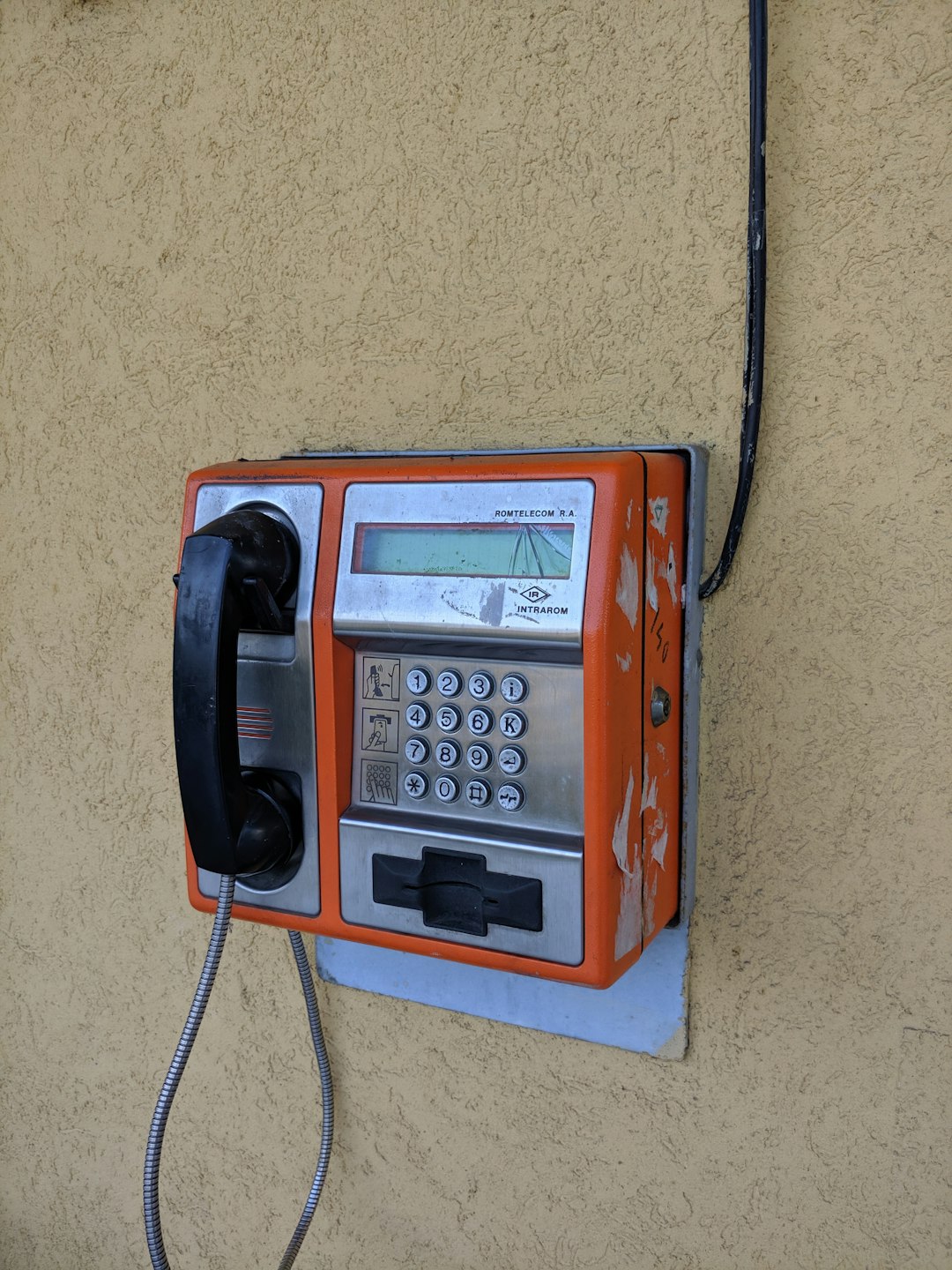
Oregon residents face a surge in unwanted robocalls and texts, prompting legal action under state Do Not Call laws and federal TCPA protections. To combat spam, individuals should register on the national "Do Not Call" registry, block calls using apps, and consult specialized robocall lawyer Oregon or spam call attorney Oregon. Persistent violations may require legal recourse, with many law firms offering free consultations to reclaim privacy from intrusive communication.
In today’s digital age, unwanted robocalls and texts have become a pervasive nuisance for many Oregonians. These automated messages, often promoting products or services, can be intrusive and frustrating, leading to a degradation of personal and professional quality of life. Oregon law provides robust protections against spam calls and texts through the Do Not Call registry and specific regulations targeting telemarketers. This article offers an in-depth guide for residents navigating these laws, featuring insights from robocall lawyers Oregon and legal experts specializing in Do Not Call litigation to ensure your rights are protected and unwanted communications are effectively halted.
Understanding Oregon's Anti-Robocall Laws

Oregon residents are increasingly facing a deluge of unwanted robocalls and texts, leading many to seek solutions under state laws designed to curb these intrusions. Understanding Oregon’s anti-robocall laws is crucial for consumers looking to protect their privacy and peace of mind. These regulations not only empower individuals but also provide a framework for holding perpetrators accountable, including those who deploy spam calls and messages en masse.
Oregon’s Do Not Call Law, enforced by the Oregon Attorney General, offers substantial protections. It prohibits businesses from making automated or prerecorded phone calls to residents who have registered their numbers on the state’s Do Not Call list. This law extends to texts, with similar restrictions and penalties for violators. Furthermore, Oregon has embraced federal regulations like the Telephone Consumer Protection Act (TCPA), which provides additional safeguards against spam calls and texts. A robocall lawyer in Oregon or a spam call attorney in Oregon can offer specialized guidance tailored to these laws, ensuring compliance and protecting clients from legal repercussions.
While these laws offer a robust framework, consumers must remain vigilant. Reporting unwanted calls and messages is an essential step in combating robocalls. Many phone service providers also offer tools to block and filter out such intrusions. Collaborating with a reputable Do Not Call law firm Oregon or spam call law firm Oregon can provide advanced solutions for those facing relentless harassment. By staying informed, consumers not only safeguard their privacy but also contribute to the broader effort to enforce anti-robocall laws in Oregon, fostering a more peaceful and secure communication environment.
Protecting Your Rights: Legal Action Against Spam Calls

In Oregon, as across the nation, robocalls and unwanted texts have become a persistent nuisance, often disguised as legitimate communication. While many individuals view these as bothersome interruptions, they can also be illegal intrusions into personal privacy. Protecting yourself from spam calls involves understanding your rights under state and federal law, taking proactive measures to block such messages, and knowing when to take legal action.
Oregon has strict laws in place to combat robocalls and spam texts. The Oregon Unfair or Deceptive Acts (UDA) statute prohibits businesses from making misrepresentative or deceptive calls, while the Telephone Consumer Protection Act (TCPA) at the federal level offers additional protections. If you’ve received unwanted calls or texts promoting goods or services, especially those with which you have no prior interaction, you may be a victim of spamming. According to the Federal Trade Commission (FTC), over 40 billion robocalls were made in the U.S. last year, many of them illegal.
If your rights have been violated, consulting with a robocall lawyer Oregon or spam call attorney Oregon can be invaluable. Legal experts specializing in these areas can help you navigate the complexities of consumer protection laws. They can guide you in filing complaints with regulatory bodies and, if necessary, pursue legal action against offenders. Many law firms dedicated to do not call laws Oregon offer free consultations to assess your case. The goal is to send a clear message that such practices will not be tolerated and to recover any financial losses or damages sustained.
Remember, proactive measures can significantly reduce the influx of spam calls. Registering on national “Do Not Call” registries, installing blocking apps, and being cautious about sharing personal information online are essential steps. By staying informed about your rights and taking these precautions, Oregonians can reclaim their privacy from unwanted robocalls and texts.
Effective Strategies to Stop Unwanted Texts & Robocalls

In Oregon, as across the nation, robocalls and unwanted texts have become a significant nuisance and legal concern for many residents. These automated communications, often promoting products or services, can be intrusive and illegal under state and federal laws. According to recent data from the Federal Trade Commission (FTC), Americans received over 52 billion spam calls in 2022, with Oregon seeing its fair share. To combat this issue, individuals must employ robust strategies to stop these unwanted intrusions.
Effective prevention starts with understanding the legal framework. Oregon has implemented strict do-not-call laws and regulations to protect residents from excessive and unsolicited communication. The state’s Attorney General’s Office actively enforces these laws, including provisions against automated or prerecorded calls made without prior express consent. A robocall lawyer or attorney in Oregon specializing in telecommunications law can offer valuable guidance on navigating these regulations and helping individuals assert their rights. One practical step is to register for the National Do Not Call Registry, a federal database that restricts telemarketing calls to registered numbers. However, it’s crucial to note that not all robocalls are illegal; some may be legitimate, such as those from government agencies or non-profit organizations.
Tech-driven solutions also play a pivotal role in filtering out spam. Many phone service providers offer advanced call blocking and filtering features designed to automatically screen out known spam calls. Installing reputable anti-spam apps or software on personal devices can further enhance protection. Additionally, consumers should be cautious about sharing their contact information online, as this can inadvertently open doors for spammers. If unwanted texts or robocalls persist despite these measures, consulting with a robocall attorney in Oregon who specializes in consumer protection law may be necessary to take legal action against the perpetrators. By combining technological vigilance and knowledgeable legal counsel, Oregon residents can reclaim control over their communication channels and find lasting relief from intrusive spam calls and texts.
About the Author
Dr. Emma Johnson, a leading consumer privacy advocate and data protection expert, has dedicated her career to fighting spam robocalls and texts in Oregon. With a Ph.D. in Communication Studies and a Certified Data Privacy Specialist (CDPS) certification, Emma is a sought-after speaker and contributor to Forbes on emerging technologies and their impact on consumer privacy. She leads workshops for consumer advocacy groups, empowering Oregonians to protect their personal data and navigate the digital landscape with confidence.
Related Resources
Here are some authoritative resources for an article on avoiding spam robocalls and texts in Oregon:
Oregon Department of Justice (Government Portal): [Offers official state guidance and resources for consumers.] – https://doj.state.or.us/
Federal Trade Commission (FTC) (Government Agency): [Provides national insights, tips, and tools to combat robocalls and spam texts.] – https://www.consumer.ftc.gov/
Oregon Public Utility Commission (PUC) (Regulatory Body): [Regulates telecommunications in Oregon and provides information on nuisance calls.] – https://www.oregonpuc.org/
National Do Not Call Registry (Industry Organization): [Aims to protect consumers from unwanted telemarketing calls and offers registration and resources.] – https://donotcall.gov/
Oregon Attorney General’s Office (Legal Resource): [Offers legal advice and enforcement actions related to consumer protection, including spam calls.] – https://oag.org/
TechRepublic (Tech News & Advice Website): [Provides practical tips and technical solutions for combating robocalls using technology.] – https://www.techrepublic.com/