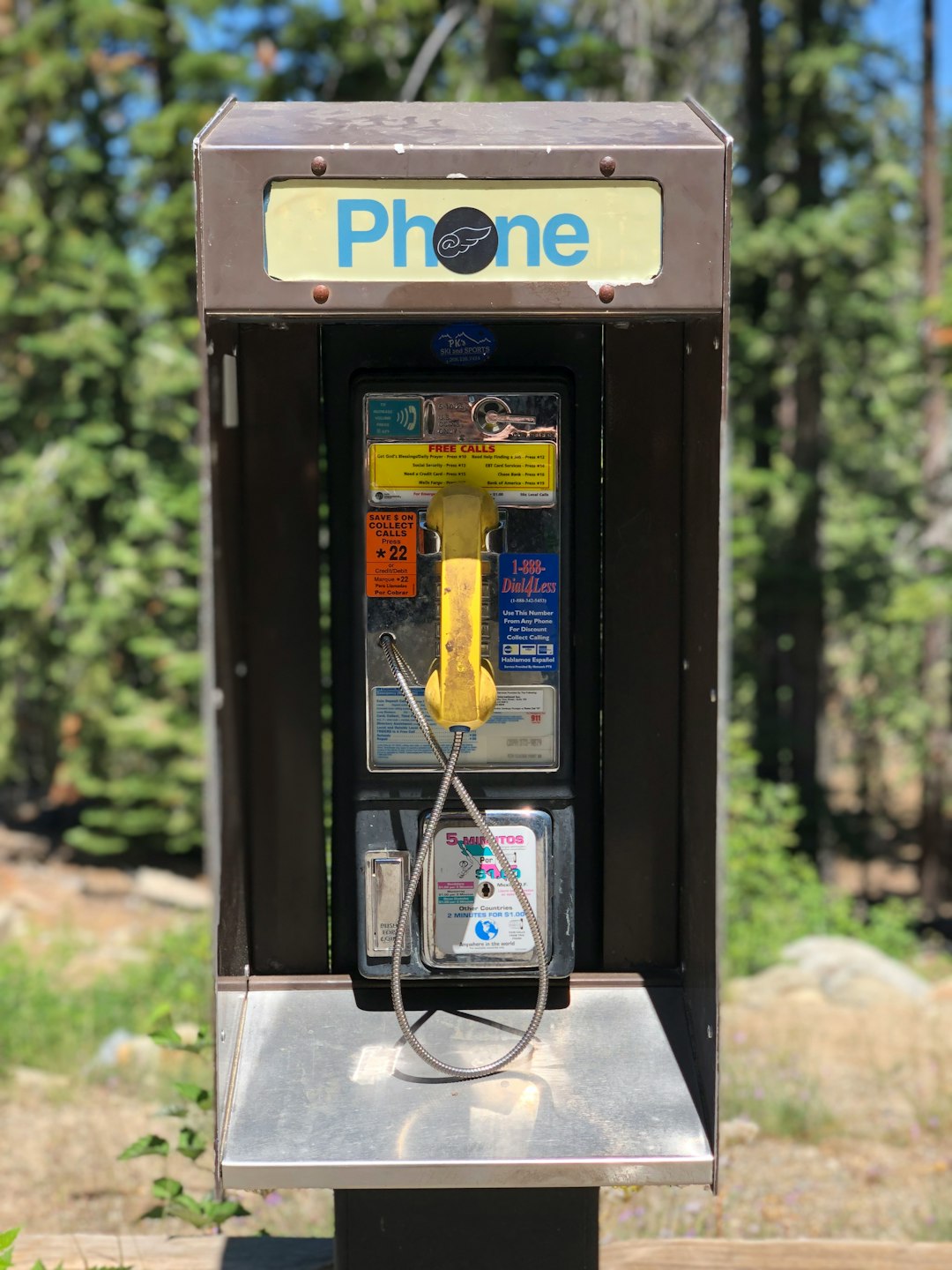
Robocalls and spam texts are regulated by federal (TCPA) and state laws in Oregon, prohibiting them unless prior consent is given. Oregon residents can protect themselves by registering for the National Do Not Call Registry, using call-blocking apps, avoiding sharing personal info, and reporting suspicious activity. Consulting a robocall lawyer or spam call law firm in Oregon offers legal guidance, protects rights, and seeks compensation for violations of TCPA and Oregon's Do Not Call laws. Combining these strategies helps reclaim control over communication channels from unwanted calls and texts.
In today’s digital age, robocalls and spam texts have become a pervasive nuisance, inundating personal devices with unwanted messages from telemarketers, scammers, and spammers. This relentless onslaught not only disrupts daily life but also poses significant risks, particularly in light of the increasing prevalence of fraudulent activities. Oregon residents, armed with robust consumer protection laws like those governing robocalls and spam texts, have legal recourse against these intrusions. As a leading robocall lawyer in Oregon, our firm specializes in navigating these complex regulations on behalf of clients seeking relief from intrusive communications. With deep expertise in the Do Not Call laws and related spam call legislation, we empower individuals to reclaim their privacy and peace of mind.
Understanding Robocalls and Spam Texts in Oregon

In Oregon, as across the nation, robocalls and spam texts have become a ubiquitous and often irritating aspect of daily life. These automated communications, while sometimes offering valuable services, are frequently used for illegal or deceptive purposes, such as telemarketing, debt collection, or phishing scams. Understanding the nuances of these practices is essential to protecting oneself legally and effectively.
Robocalls and spam texts are regulated by a combination of federal and state laws. The Telephone Consumer Protection Act (TCPA) at the federal level prohibits automated calls and texts unless the caller has obtained prior explicit consent from the recipient. In Oregon, the picture becomes more granular with the Oregon Do Not Call Law, which complements federal regulations by offering additional protections for residents. This law requires businesses to refrain from making telemarketing calls or sending unwanted text messages to Oregonians who have registered on the state’s “Do Not Call” list. A robocall lawyer in Oregon or spam call attorney Oregon can provide expert guidance on navigating these complex legal frameworks.
One of the challenges in combating robocalls and spam texts is their ever-evolving nature. Scammers continuously adapt their tactics to bypass detection and avoid enforcement. For instance, they may use VoIP (Voice over Internet Protocol) services that allow them to mask their identity or change phone numbers frequently. Additionally, some advanced bots can now engage in conversational interactions, making it harder for recipients to discern automated messages from human communications. Despite these challenges, Oregon residents have legal avenues to take action. A Do Not Call law firm in Oregon can assist individuals in registering on the state’s “Do Not Call” list and pursuing legal remedies against persistent violators. Engaging with a robocall lawyer in Oregon or spam call law firm Oregon ensures that one’s rights are protected and abusers are held accountable under the TCPA and state laws.
To mitigate unwanted calls and texts, Oregon residents can take several proactive steps. First, register for the National Do Not Call Registry at donotcall.gov. While this is a federal registry, it provides a strong starting point. Secondly, utilize call-blocking apps or features on your phone to filter out known robocallers. Thirdly, never provide personal or financial information in response to an unsolicited call or text—a common tactic used by scammers. Lastly, report suspicious calls or texts to the Federal Trade Commission (FTC) and Oregon’s Attorney General’s office, which actively investigates and prosecutes violators of consumer protection laws. By combining legal defenses, technological tools, and individual vigilance, Oregonians can significantly reduce their exposure to robocalls and spam texts, reclaiming control over their communication channels.
Legal Options: Consulting a Robocall Lawyer Oregon

Navigating the complex landscape of robocalls and spam texts can feel like wading through a labyrinthine legal quagmire. In Oregon, where privacy laws are stringent, individuals often turn to specialized legal counsel for respite from these persistent intrusions. Consulting a robocall lawyer Oregon is not just about halting the nuisance; it’s about understanding your rights and using them to their fullest potential.
Oregon has some of the most robust anti-robocall and spam text laws in the nation, thanks to initiatives like the Telephone Consumer Protection Act (TCPA). This federal law prohibits automated, prerecorded, or artificial voices from calling telephone numbers without prior express consent. Local spam call law firms Oregon and do not call law firms Oregon play a crucial role in enforcing these rules, offering legal remedies for violations, including treble damages. For instance, a recent case highlighted how an Oregon court awarded $1.5 million to consumers who suffered from incessant spam calls due to a company’s failure to comply with TCPA standards.
Hiring a robocall attorney Oregon can provide several practical advantages. These legal experts can help you determine if a call or text was made in violation of the law, and they can guide you through the process of filing a complaint with state or federal agencies. Furthermore, they can represent you in court if necessary, ensuring that your rights are defended vigorously. Whether dealing with telemarketers, collection agencies, or other offenders, an experienced robocall lawyer Oregon will leverage their knowledge of robocall laws Oregon to block unwanted calls and texts while seeking compensation for any harm suffered.
Navigating Do Not Call Laws: Your Rights Explained

Navigating Do Not Call Laws is a crucial step in blocking robocalls and spam texts efficiently. In the US, the Telephone Consumer Protection Act (TCPA) of 1973, as amended, provides significant protections for consumers against unsolicited telephone calls and text messages. Oregon residents, like those in other states, benefit from these laws, which include strict rules for telemarketers and robust remedies for violations. A robocall lawyer Oregon or spam call law firm Oregon can offer expert guidance on interpreting and enforcing these regulations.
The TCPA establishes the National Do Not Call Registry, allowing individuals to opt-out of most automated marketing calls and texts. However, there are exceptions; calls from certain entities, such as political organizations, non-profit groups, or when you’ve established a prior relationship with the caller, may still be legal. It’s important to understand these nuances, as missteps can lead to legal repercussions. For instance, a robocall attorney Oregon might advise clients on how to differentiate between legitimate communication and violations, ensuring they exercise their rights effectively.
While technology evolves, so do legal protections. As of recent data, millions of Americans report receiving unwanted calls daily, highlighting the persistent issue. A Do Not Call law firm Oregon can assist in blocking these calls at a systemic level, working with telecommunication providers to implement robust anti-spam measures. By staying informed about changing laws and leveraging legal expertise, individuals and businesses can better protect themselves from robocalls and spam texts, ensuring a quieter, more peaceful communication environment.
Effective Strategies to Block and Manage Unwanted Calls & Messages

Unwanted robocalls and spam texts have become a pervasive nuisance, with millions of Americans affected daily. According to the Federal Communications Commission (FCC), there were over 45 billion unwanted calls in the U.S. in 2021 alone. In response to this growing problem, robust strategies are essential to effectively block and manage these intrusions into personal privacy. Oregon residents have legal recourse through the state’s Do Not Call laws and specialized law firms dedicated to robocall and spam call litigation, such as a robocall lawyer Oregon or spam call law firm Oregon.
One of the primary defenses against robocalls is registration with the National Do Not Call Registry. This federal program allows individuals to opt-out of marketing calls, significantly reducing unwanted contact. However, many robocalls bypass this registry due to automated systems and dynamic number selection. To counter this, advanced call blocking applications and hardware filters are highly effective. These tools learn and adapt to block known spamming patterns and numbers associated with illegal robocall operations. For instance, some popular call-blocking apps use machine learning algorithms to identify and automatically reject suspicious calls.
Additionally, Oregon’s consumer protection laws offer substantial remedies against persistent spam calls and texts. The state’s robocall laws are stringent, with strict penalties for violators. A robocall attorney Oregon or a law firm specializing in Do Not Call legislation can provide guidance on how to pursue legal action against recurring offenders. For example, if an individual receives unwanted texts promoting products or services from unknown senders, a spam call law firm Oregon can assist in sending cease-and-desist letters and, if necessary, file lawsuits under the Telephone Consumer Protection Act (TCPA).
Empowering individuals to take proactive measures is crucial. This includes educating oneself about legal rights, utilizing advanced call blocking tools, and reporting suspicious calls or messages to relevant authorities. By combining these strategies, Oregon residents can reclaim control over their communication channels and significantly reduce the impact of robocalls and spam texts.